When people come across the word “viltnemnda,” they may wonder what it means and why it appears in discussions about wildlife, hunting, injured animals, and nature management. The term comes from Norway and is connected with the local management of wildlife and game animals.
In simple terms, viltnemnda can be understood as a wildlife or game-management committee. Its role is connected with the practical challenges of managing wild animals in local communities. These challenges can include wildlife populations, hunting, injured animals, road accidents involving wildlife, habitat concerns, and conflicts between people and animals.
However, viltnemnda should not be viewed as one single national wildlife organization responsible for every animal in Norway. Wildlife management in Norway involves several levels of government and many different organizations. Responsibilities can change depending on the animal species, location, type of problem, and applicable regulations.
This guide explains viltnemnda in simple English and explores how local wildlife management works in Norway. It also explains the connection between viltnemnda, hunting, wildlife conservation, injured animals, population control, habitat protection, and modern environmental management.
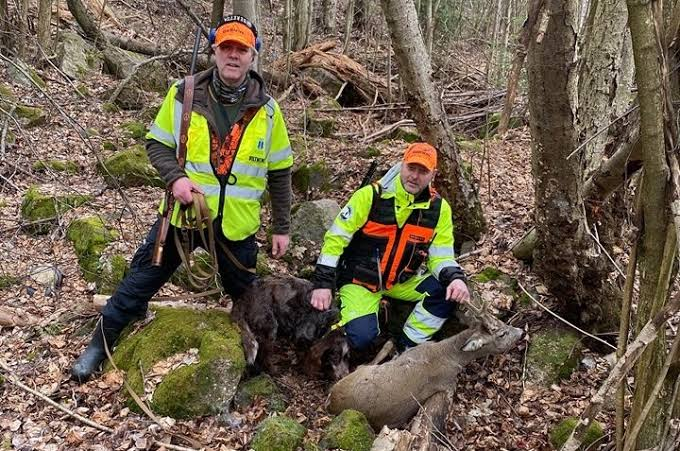
What Does Viltnemnda Mean?
Viltnemnda is a Norwegian word associated with wildlife management.
The word can be separated into two basic parts. “Vilt” refers to wild animals or game, while “nemnda” refers to a committee or board.
A simple English interpretation would be “wildlife committee” or “game-management committee.”
The exact meaning can depend on the local and historical context in which the word is used. Norway’s wildlife-management system has changed over the years, and local authorities may organize wildlife responsibilities in different ways.
For this reason, someone searching for viltnemnda may find information that does not look exactly the same from one municipality to another.
The important idea is that viltnemnda is connected with the local side of wildlife management.
What Is the Purpose of Viltnemnda?
The basic purpose of local wildlife management is to help communities manage wild animals in a responsible and organized way.
Wild animals do not stay inside administrative boundaries. A moose may travel across several areas. A deer may move between forests and farmland. Reindeer can travel long distances between seasonal habitats.
Because wildlife moves freely, communities need ways to understand animal populations and deal with situations where wildlife and people come into contact.
Also Read: Fentomagazine.com USA: Complete Guide to Fento Magazine and Its Online Presence
The work connected with local wildlife management may include:
- Monitoring wildlife populations
- Supporting hunting management
- Dealing with injured wildlife
- Recording wildlife accidents
- Considering wildlife habitats
- Working with landowners
- Cooperating with hunters
- Addressing human-wildlife conflicts
- Supporting wildlife surveys
- Sharing information with residents
- Contributing to long-term wildlife planning
The exact responsibilities can vary according to local arrangements.
Why Is Local Wildlife Management Important?
Wildlife management may sound like a national issue, but many wildlife problems happen at the local level.
A community may experience frequent deer collisions on a particular road. Another area may have large numbers of moose near farms. A third area may have concerns about habitat loss.
Local authorities are often in a better position to understand these practical issues because they work closer to the people, landowners, roads, forests, and agricultural areas affected by wildlife.
Local knowledge can help answer important questions.
For example:
- Where are animals commonly seen?
- Which roads have frequent wildlife collisions?
- Are wildlife populations changing?
- Is agricultural damage increasing?
- Are important habitats being disturbed?
- Are animals moving into residential areas?
- Are there recurring problems with injured wildlife?
Good wildlife management combines this local knowledge with scientific information.
Viltnemnda and Wildlife Population Management
Wildlife populations naturally change.
Animal numbers can increase when food is plentiful and breeding conditions are favorable. Populations can decline because of harsh weather, disease, hunting, habitat loss, accidents, or other causes.
Wildlife management tries to understand these changes instead of making decisions based on assumptions.
Population management may consider:
- Number of animals
- Reproduction
- Age distribution
- Population health
- Food availability
- Habitat quality
- Natural mortality
- Hunting pressure
- Road accidents
- Weather conditions
- Changes in land use
This information helps authorities understand whether a wildlife population is stable, increasing, or decreasing.
The Connection Between Viltnemnda and Hunting
Hunting is an important part of wildlife management for certain species in Norway.
However, wildlife management and hunting are not exactly the same thing.
Hunting can be used as one management tool. It may help keep certain populations at levels that are suitable for the available habitat and local management objectives.
Responsible hunting management requires planning.
Authorities and other wildlife stakeholders may consider population information before establishing hunting-related decisions.
For example, if a particular area has a growing deer population, managers may need to consider whether the habitat can support the animals over the long term.
They may also consider whether the population is creating problems for agriculture, forests, roads, or other human activities.
The purpose is not simply to increase or reduce the number of animals. The larger goal is sustainable wildlife management.
What Is Sustainable Wildlife Management?
Sustainable wildlife management means making decisions that consider both present and future conditions.
A wildlife population should not be managed only according to what is happening today.
Managers also need to consider what could happen several years from now.
For example, removing too many animals from a population may affect reproduction and future population levels. On the other hand, an unmanaged increase in some populations can create problems involving food shortages, habitat damage, road accidents, or conflicts with agriculture.
Sustainability requires balance.
It means considering wildlife health, habitat, biodiversity, human safety, local communities, and future generations.
Viltnemnda and Injured Wildlife
One reason people may search for viltnemnda is because they have discovered an injured wild animal.
Wild animals can become injured for many reasons.
Common causes include:
- Vehicle collisions
- Falls
- Natural injuries
- Severe weather
- Attacks by other animals
- Disease
- Human activity
- Hunting-related incidents
An injured wild animal can be frightened and unpredictable.
Even a normally calm animal may become dangerous when it is hurt or trapped.
For this reason, people should avoid trying to handle large or unfamiliar wild animals themselves.
The appropriate response depends on the animal and situation. Local wildlife authorities, emergency services, police, or other responsible organizations may need to become involved.
What Should You Do If You Find an Injured Wild Animal?
If you find an injured wild animal, the first priority should be safety.
Keep a reasonable distance from the animal. Do not surround it or encourage other people to approach it.
If the animal is close to a road, move yourself to a safe location and avoid creating another traffic hazard.
When reporting the situation, useful information may include:
- Your location
- Type of animal
- Whether the animal is alive
- Whether it can move
- Whether it is near a road
- Whether people are in danger
- Whether the animal appears trapped
Clear information can help authorities decide what response is needed.
Viltnemnda and Wildlife Road Accidents
Road collisions are one of the major points where wildlife and human activity meet.
Animals such as moose and deer can cross roads while moving between feeding, resting, and breeding areas.
A collision with a large animal can seriously injure both the animal and people inside a vehicle.
Wildlife-management authorities can use records of these accidents to identify areas where collisions happen repeatedly.
This information can support possible solutions such as:
- Wildlife warning signs
- Fencing
- Wildlife crossings
- Better road planning
- Vegetation management
- Population-management measures
- Public awareness campaigns
The goal is to reduce the risk for both wildlife and drivers.
Why Wildlife Population Data Matters
Good wildlife management depends on reliable information.
Simply seeing more animals in one area does not always mean that the total population is increasing.
For example, animals may move because of weather, food availability, construction, hunting pressure, or seasonal changes.
Wildlife managers therefore use multiple sources of information.
These may include:
- Wildlife counts
- Hunting records
- Field observations
- Camera monitoring
- GPS tracking
- Biological samples
- Road-kill reports
- Research projects
Combining several types of information gives a more complete picture.
Viltnemnda and Wildlife Habitat
Animals need suitable places to live.
A healthy wildlife population requires access to important resources such as food, water, shelter, breeding areas, and safe movement routes.
Habitat can become fragmented when roads, buildings, industrial areas, power infrastructure, and other developments divide natural landscapes.
This can make it harder for animals to move between important areas.
Wildlife management therefore needs to consider not only how many animals exist but also where those animals can safely live.
Why Wildlife Corridors Matter
A wildlife corridor is an area that allows animals to move between habitats.
For some species, movement between different areas is essential for survival.
A road may separate two important habitats. A wildlife crossing can sometimes help animals move safely between them.
Wildlife corridors can also reduce the number of animals attempting to cross busy roads.
This is an example of how wildlife management can combine environmental protection with public safety.
Viltnemnda and Municipal Planning
Local planning has a major influence on wildlife.
When a community plans new housing, roads, industrial areas, recreational facilities, or other developments, those decisions can affect wildlife habitats.
Good planning can identify important wildlife areas before development begins.
This can help reduce conflicts later.
For example, protecting a known wildlife movement route may be easier and less expensive during the planning stage than trying to restore it after a major development has already been built.
Different Wildlife Species Need Different Management
One of the most important things to understand about viltnemnda is that not all animals are managed in the same way.
Different species have different biological needs and legal protections.
For example, management of moose and deer can involve hunting and population planning.
Wild reindeer require special attention because they depend on large areas of mountain habitat and are affected by human disturbance and habitat fragmentation.
Large carnivores such as wolves, bears, lynx, and wolverines are also managed through specialized systems.
Therefore, a wildlife-management committee cannot simply use one strategy for every species.
Viltnemnda and Deer
Deer are an important part of Norwegian wildlife management.
Several deer-family species live in Norway, including:
- Moose
- Red deer
- Roe deer
- Wild reindeer
Moose, red deer, and roe deer are particularly important in local game management.
Their populations can affect forests, farmland, roads, hunting, and ecosystems.
Local management may therefore consider:
- Population size
- Hunting results
- Reproduction
- Habitat
- Agricultural damage
- Forest impacts
- Road collisions
The objective is to manage the population in a way that fits local conditions.
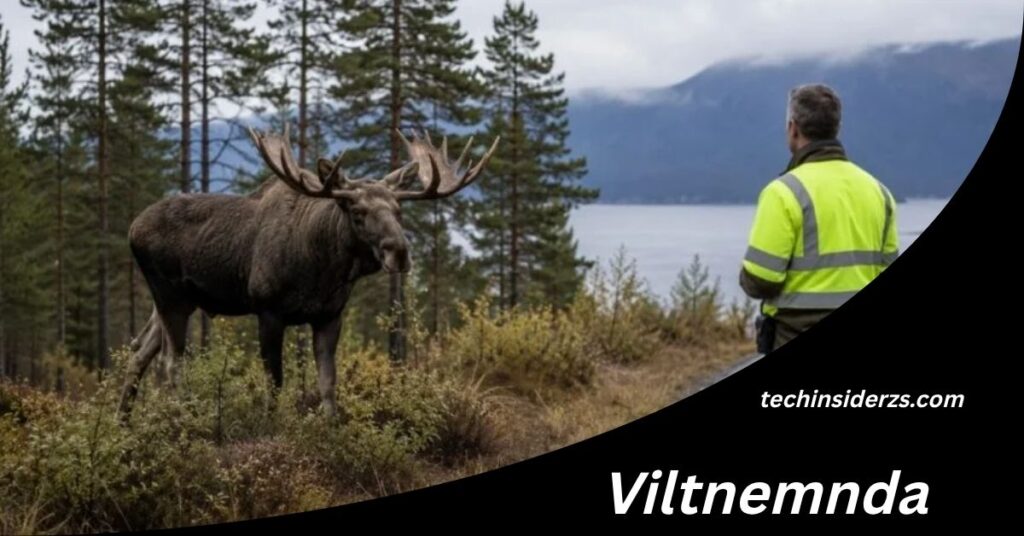
Viltnemnda and Moose Management
Moose are among Norway’s most recognizable large wild animals.
They require substantial habitat and can travel across large areas.
Moose can also create safety concerns because of collisions with vehicles.
Local wildlife information can help authorities understand where moose are concentrated and where accidents are happening.
Population management can then consider both ecological and human concerns.
The important point is that moose management is not simply about hunting. It also involves habitat, safety, population health, and long-term planning.
Viltnemnda and Wild Reindeer
Wild reindeer have a special place in Norway’s natural environment.
They depend on large mountain landscapes and need access to different areas during different seasons.
Human development can make their movement more difficult.
Potential pressures include:
- Roads
- Tourism
- Buildings
- Recreation
- Power infrastructure
- Climate change
- Habitat fragmentation
- Disease
This is why wild-reindeer management requires cooperation across large geographic areas.
It also demonstrates why wildlife management cannot always be limited to one municipality.
Wildlife Disease and Local Management
Wildlife disease is another important part of modern wildlife management.
Diseases can affect individual animals, populations, domestic animals, and sometimes wider ecosystems.
Monitoring can help authorities identify unusual deaths or changes in animal health.
One example that has received significant attention in Norway is chronic wasting disease, commonly known as CWD.
CWD is a serious neurological disease that affects members of the deer family.
Its detection in Norway demonstrated how important wildlife health monitoring can be.
Wildlife authorities may need to collect samples, investigate affected populations, and make management decisions based on scientific evidence.
What Is Chronic Wasting Disease?
Chronic wasting disease is a contagious disease affecting animals in the deer family.
It belongs to a group of diseases known as transmissible spongiform encephalopathies.
The disease damages the nervous system and can eventually cause severe behavioral and physical changes.
Wildlife managers are concerned about CWD because it can affect wild animal populations and create major management challenges.
Norway’s experience with the disease has shown the importance of monitoring, testing, research, and careful wildlife management.
Viltnemnda and Large Carnivores
The term viltnemnda should not be confused with the Norwegian regional committees responsible for large-carnivore management.
Norway has special management arrangements for animals such as:
- Wolves
- Brown bears
- Lynx
- Wolverines
These animals can create complex conflicts because they are important parts of natural ecosystems but can also affect livestock, hunting interests, and rural communities.
Large-carnivore management therefore involves national policy, regional decision-making, scientific information, monitoring, and local concerns.
Viltnemnda vs. Rovviltnemnda
The two words can look similar, but they are not interchangeable.
Viltnemnda is associated with local wildlife or game management.
Rovviltnemnda is associated specifically with regional management of large carnivores.
This distinction is useful when researching Norwegian wildlife terminology.
Using the wrong term can lead to confusion about which authority is responsible for a particular issue.
Who Manages Wildlife in Norway?
Norway’s wildlife-management system includes several types of organizations and authorities.
Depending on the issue, responsibilities may involve:
- Municipalities
- National environmental authorities
- Agricultural authorities
- Regional authorities
- Wildlife inspectors
- Police
- Landowners
- Hunters
- Researchers
- Conservation organizations
This shared structure allows different organizations to contribute their expertise.
A local wildlife problem may therefore involve more than one authority.
Why Norway Uses a Multi-Level Wildlife System
Wildlife exists across large landscapes.
A national authority can create broad rules, but it may not know every local road, forest, farm, or wildlife movement route.
A local authority has better knowledge of the community but may not have the scientific resources required to manage national wildlife policy.
Also Read: Docasu: The Open-Source User Interface Framework for Alfresco ECM
A multi-level system combines these strengths.
National organizations can provide:
- Laws
- Research
- Scientific guidance
- National monitoring
- Policy
Local organizations can provide:
- Local observations
- Community communication
- Local planning
- Practical management
- Cooperation with landowners and hunters
This combination can make wildlife management more responsive and informed.
The Role of Landowners
Landowners are important participants in wildlife management.
Many wild animals live on or move across private land.
Landowners may have valuable information about:
- Wildlife numbers
- Animal movement
- Crop damage
- Forest damage
- Habitat conditions
- Road crossings
They may also cooperate with hunters and local authorities.
Successful wildlife management often depends on communication between these groups.
The Role of Hunters
Hunters can also contribute valuable information.
Hunters spend significant amounts of time observing wildlife and landscapes.
Hunting records may provide information about:
- Number of animals harvested
- Age
- Sex
- Location
- Physical condition
- Population changes
Responsible hunting can therefore be connected with wildlife monitoring and population management.
However, hunting data should be considered alongside other scientific and ecological information.
The Role of Researchers
Scientists help wildlife managers understand what is happening to animal populations.
Researchers may study:
- Population trends
- Animal behavior
- Genetics
- Disease
- Habitat
- Migration
- Climate effects
- Reproduction
This research can improve decision-making.
Scientific research is especially important when wildlife problems are complex or when different explanations are possible.
Technology in Modern Wildlife Management
Wildlife management is becoming increasingly digital.
Modern technology can help researchers and authorities collect information more efficiently.
Examples include:
- GPS collars
- Wildlife cameras
- Geographic information systems
- Digital reporting systems
- Genetic testing
- Remote sensors
- Population databases
- Mapping platforms
These technologies can reveal information that is difficult to collect through traditional observation alone.
For example, a GPS device can show how an animal moves across a landscape over time.
A camera can document wildlife activity without requiring a person to remain in the area.
The Importance of Wildlife Mapping
Maps are powerful tools for wildlife management.
A wildlife map can show:
- Important habitats
- Migration routes
- Wildlife observations
- Road collisions
- Protected areas
- Development
- Population patterns
Mapping helps authorities see relationships that may not be obvious from individual reports.
For example, several wildlife accidents may appear unrelated until they are placed on a map. The map may reveal that all accidents happen near the same habitat corridor.
Wildlife Management and Climate Change
Climate change is becoming an increasingly important consideration.
Changes in temperature and precipitation can affect:
- Food availability
- Snow cover
- Migration
- Reproduction
- Disease
- Habitat
- Seasonal movement
Some animals may move into new areas as environmental conditions change.
Others may struggle if their traditional habitat changes faster than they can adapt.
Wildlife managers therefore need to think about long-term environmental changes.
Human-Wildlife Conflict
Human-wildlife conflict happens when animals and people compete for space or resources.
Examples include:
- Deer damaging crops
- Moose crossing roads
- Predators attacking livestock
- Wildlife entering residential areas
- Animals damaging forests
- People disturbing sensitive species
There is rarely one solution that works everywhere.
Possible approaches include:
- Habitat management
- Fencing
- Wildlife crossings
- Population management
- Public education
- Changes in land use
- Monitoring
- Early reporting
The best approach depends on the specific situation.
Why Wildlife Management Needs Public Cooperation
Authorities cannot manage wildlife effectively without cooperation from local communities.
Residents can help by reporting:
- Injured animals
- Dead wildlife
- Road collisions
- Unusual animal behavior
- Important wildlife observations
People can also reduce problems by respecting wildlife habitats and following local rules.
Public cooperation is especially important in areas where people regularly encounter large animals.
How to Search for Information About Viltnemnda
People researching viltnemnda should be careful because online information may come from different periods.
Before trusting a page, check:
- When was it published?
- Which municipality does it describe?
- Which animal species are involved?
- Is the information current?
- Is the page describing a historical organization?
- Which authority is responsible today?
- Does the information refer to hunting, conservation, or emergency wildlife response?
These questions can prevent misunderstandings.
Why Old Wildlife Information Can Be Misleading
Government structures change.
A document from ten or twenty years ago may describe responsibilities that are different today.
This does not necessarily mean the old document was wrong. It may simply describe the system that existed at that time.
Therefore, anyone researching viltnemnda should consider both the date and context of the information.
This is especially important for legal, administrative, and hunting-related questions.
Is Viltnemnda a National Organization?
No.
It is more accurate to understand viltnemnda as a term associated with local wildlife management rather than the name of one national Norwegian wildlife agency.
Norway uses several organizations and levels of government to manage wildlife.
The exact structure can differ depending on the municipality and wildlife issue.
Is Viltnemnda Only About Animals?
The main subject is wildlife, but the work can affect many other areas.
Wildlife management connects with:
- Agriculture
- Forestry
- Transportation
- Tourism
- Land planning
- Conservation
- Public safety
- Hunting
- Scientific research
This makes wildlife management a broad environmental and community issue.
Why Wildlife Management Requires Balance
Wildlife management often involves different interests.
One person may value a large wildlife population because they enjoy seeing animals in nature.
A farmer may be concerned about crop damage.
A driver may be concerned about collisions.
A hunter may be interested in sustainable hunting opportunities.
A conservationist may focus on habitat protection.
A scientist may focus on population health.
A local authority has to consider these different perspectives while following applicable laws and using available evidence.
That is why wildlife management is rarely a simple question of whether there should be “more” or “fewer” animals.
Viltnemnda and Biodiversity
Biodiversity means the variety of living organisms in an environment.
Wild animals are part of this larger system.
Protecting biodiversity can involve protecting:
- Species
- Habitats
- Genetic diversity
- Ecosystems
- Natural processes
Wildlife management can contribute to biodiversity when it is based on sound ecological information.
At the same time, some wildlife populations require active management because of human development, disease, or other pressures.
The Future of Viltnemnda and Local Wildlife Management
Wildlife management will continue to change as technology, climate, land use, and public expectations change.
Future management is likely to place greater emphasis on:
- Better data
- Digital monitoring
- Habitat protection
- Wildlife corridors
- Disease surveillance
- Climate adaptation
- Road safety
- Community participation
- Cross-municipal cooperation
The most effective systems will likely combine modern technology with local experience.
Also Read: GadgetFreeks.com: A Guide to Technology, Gadgets, Gaming, and Entertainment
Five Frequently Asked Questions About Viltnemnda
What does the word “nemnda” mean in Norwegian?
“Nemnda” generally refers to a committee, board, or appointed group. In the context of viltnemnda, it helps describe a body connected with wildlife or game management.
Can tourists contact a viltnemnda in Norway?
A tourist who encounters a wildlife problem should normally contact the relevant local or emergency authority rather than assuming that a specific viltnemnda is the correct contact. The appropriate organization depends on the situation and animal involved.
Does viltnemnda protect endangered animals?
Wildlife protection is part of Norway’s broader conservation system, but a local wildlife committee should not automatically be considered the authority responsible for every endangered species. Protected species can have specialized management arrangements.
Why are wildlife committees important for rural communities?
Rural communities often have frequent contact with wildlife. Local wildlife management can help address issues involving hunting, agriculture, roads, forests, injured animals, and wildlife populations.
Can the responsibilities of a viltnemnda change?
Yes. Wildlife administration can change because of new laws, government reorganizations, local decisions, or changes in wildlife-management policy. This is why current information should always be checked when dealing with a specific municipality or wildlife issue.
Conclusion
Viltnemnda is a Norwegian term connected with local wildlife and game management. While the word is often translated as a wildlife committee or game-management committee, its practical meaning depends on the local and historical context.
The subject is much broader than hunting. Wildlife management can involve animal populations, injured wildlife, road accidents, habitat protection, disease monitoring, wildlife research, land-use planning, and conflicts between people and animals.
Norway uses a multi-level approach to wildlife management. Municipalities, national authorities, regional organizations, landowners, hunters, researchers, and local communities can all play different roles.
Understanding this structure is important because different wildlife species are managed in different ways. Moose and deer may be closely connected with local game management, while wild reindeer and large carnivores have more specialized management systems.
The central idea behind viltnemnda is cooperation. Wildlife belongs to natural ecosystems, but it also shares landscapes with people, farms, roads, forests, and communities. Effective management therefore requires reliable information, responsible planning, scientific research, local knowledge, and respect for nature.
For anyone searching for information about viltnemnda, the best approach is to look beyond the word itself. Consider the municipality, animal species, date, and specific wildlife issue. These details provide the context needed to understand how local wildlife management works in Norway.