Regular maintenance helps protect stored belongings and keep storage units accessible. Effective self storage property management involves addressing various issues; these include damaged doors, faulty lights, and other defects that affect daily operations. Routine inspections help identify problems before they develop into larger repair jobs. Here are a few ways to approach maintenance in a storage property:
Inspect Unit Doors
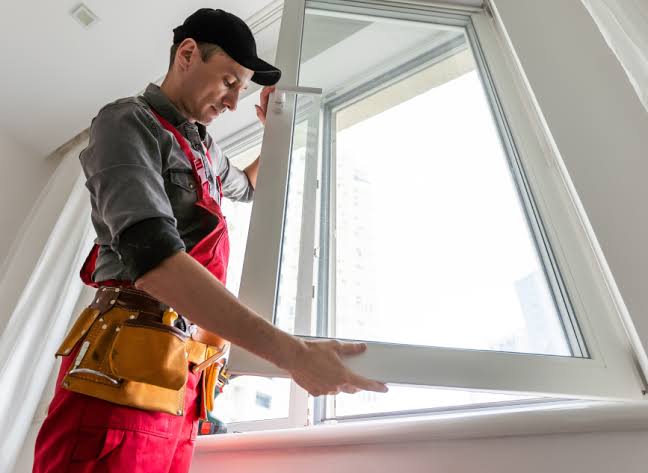
Self storage property management should schedule regular maintenance of unit doors; this allows customers to access their unit at any time. Bent tracks may cause the door to stick, and damaged slats leave openings along the unit entrance. During routine inspections, staff should raise and lower each door to check its movement. Unusual resistance or scraping sounds may indicate a problem that requires closer attention.
The locking mechanism deserves a separate check; a worn latch or misaligned hasp may prevent a lock from securing the door properly. Inspect the bottom seal and side edges for gaps that allow rainwater, dust, or pests to enter. If there is damage, record the unit number and arrange the appropriate repair.
Maintenance records help track unresolved defects across the property, and photos give repair technicians a clearer view of the problem before they arrive. Include the inspection date and repair status in each entry. Once the work is complete, update the record to show what was repaired.
Test Security Systems
Staff can use an authorized code to test an entry gate to confirm if it is functioning correctly. If the gate doesn’t close or accept the correct code, log the error and inform the appropriate technician. Managers can use dated records to assist staff in identifying whether the problem has been resolved. Regularly testing surveillance cameras allows staff to verify the feed is working, so they are able to quickly report suspicious activity.
Check Facility Lighting
Lighting problems may become easier to spot after dusk, particularly near unit entrances and access gates. A burned-out bulb leaves an indoor unit poorly lit, and a damaged fixture requires further inspection. Walk the usual customer route and note areas where visibility drops. Record the exact location so maintenance staff can quickly find the affected light; a clear record helps managers distinguish isolated faults from recurring problems. Repeated failures may point to a faulty fitting rather than another failed bulb. A few maintenance tasks that help improve lighting include:
- Replacing failed bulbs
- Inspecting damaged fixtures
- Reviewing recurring failures
Monitor Pest Activity
Pest signs may appear before staff notices damage inside a storage unit. Droppings, nesting material, gnaw marks, or insect activity near wall edges warrant documentation and follow-up. Inspectors should check door seals and utility openings for gaps; closing openings helps prevent pests from accessing interior units. Standing water near drains may attract insects, and damaged weatherstripping creates entry points around some unit doors. If activity returns after treatment, compare new notes with earlier records to identify recurring locations and arrange further assessment.
Assess Exterior Grounds
Uneven pavement poses hazards on the paths customers use to access their units. Heavy rain may block drains and cause water to collect around entrances or access roads, and snow accumulation sometimes blocks unit doors. Recorded details enable maintenance teams to identify routine ground work from repairs that need to be undertaken by a contractor. A few tasks that promote access to shared areas include:
- Keeping drainage clear: Make sure to remove leaves and debris from drainage systems to let water drain properly.
- Trimming overgrowth: Trim trees and bushes to maintain visibility of signs, lights, and access paths.
- Fixing surface damage: Have contractors repair cracks in cement to prevent tripping hazards and further damage.
Optimize Self Storage Property Management
Reviewing records helps managers identify areas that need more frequent maintenance or replacements. Shoveling snow from around units and sweeping the interiors helps present a well-maintained facility, so property owners should create regular cleaning schedules. Inspecting electrical components, such as access gates and security cameras, helps managers complete small repairs before complete failures require replacements. Maintenance also helps managers prevent belongings in interior units from getting damaged by rain, snow, or wind. Contact a self storage property management team to help you create efficient maintenance processes, so you can have a facility that is clean and functional.
- How Massage Techniques Can Aid in Muscle Recovery
- Best DevOps Training in Pune: Complete Guide to AWS, & Career Opportunities in 2026
- Maintenance Tips for Self Storage Property Management
- The Role of Legal Representation During Your Divorce Process
- How Smart Game Booster Helps You Tell High Ping from Low FPS