
Replacing windows involves several decisions, from choosing the right styles to understanding warranty coverage and installation requirements. Knowing what to expect during installation helps create realistic expectations. Here are a few of the frequently asked questions about professional window installation to help prepare you for the project:
What Does Professional Installation Entail?
Professional window installation starts with a consultation and inspection. Homeowners arrange a consultation to discuss the condition of their existing windows, their preferred replacement option, and the project timeline. Installers schedule an inspection date and take precise measurements before the selected windows enter production; this helps homeowners get a proper fit that eliminates drafts, which let in air and cause heating and cooling systems to work harder.
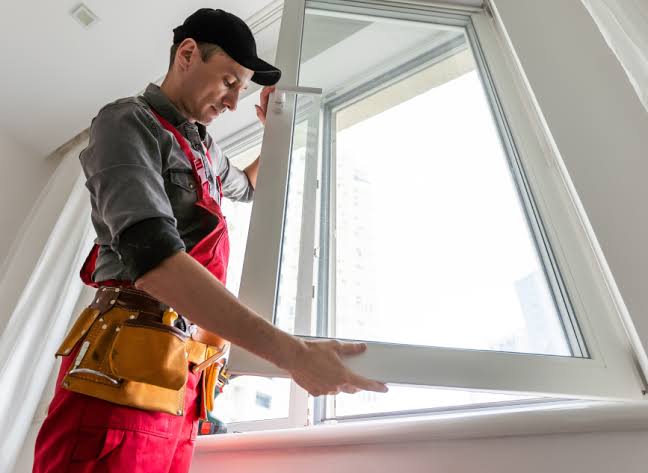
Installation teams schedule the replacement once production of the preferred windows is complete. The work starts with moving furniture and clearing access points; this provides window professionals with unobstructed access to the space. Installers then proceed to remove the outdated windows and replace them with new ones.
The work is complete after a thorough walkthrough where installers inspect the installation. They check that the windows fit the home properly, seal tightly to prevent air leaks, and function as intended while providing adequate ventilation. This stage also allows homeowners to provide feedback and confirm the installation meets their expectations.
How Do Homeowners Select Replacement Windows?
Window selection depends on the home’s design, the window’s intended function, and the homeowner’s preference. Most installers offer several options that serve different purposes, like improving both ventilation and energy efficiency. Here are some of the common options and their primary functions:
- Sliding glass doors allow homeowners to maximize their patio area or deck
- Hopper windows open inward, offering adequate ventilation in areas such as basements.
- Casement windows open fully and let in large amounts of fresh air and natural light
- Double-hung windows have separate sashes that open independently, giving more control to homeowners
- Awning windows are ideal for homes in wetter climates because they don’t let in rain
- Specialty windows are customizable and complement the home’s architectural design because they come in varied shapes and sizes
Homeowners should also evaluate glass options, colors, frame materials, and finishes before making a final selection. Discussing these details lets them compare products and choose a suitable option. Installers provide information about the different window styles and their functionality to help homeowners make more informed decisions.
How Long Does Installation Take?
The time it takes to complete window installation depends on several factors, including the number of units and the project’s complexity. Specialty windows require custom configurations, which need additional production time before the installation date is confirmed. Installing a few units also takes less time than replacing windows in the entire house. Some installers provide key details such as how long the installation will take and whether the work requires one visit or multiple appointments.
Do All Homes Need Egress Windows?
An egress window doubles as an emergency exit and needs to meet specific size requirements set by local building codes. The dimensions should allow a person to leave the home unassisted in case of emergencies such as a fire. These windows are ideal for basements and other lower-level spaces because they bring in natural light while providing viable exit routes.
Installers assess the window style and opening size to determine if it meets egress standards. They also test its operation to confirm it functions properly without special tools or knowledge. Fixed windows that don’t open can’t serve as an emergency exit, even if they meet minimum size requirements.
Casement windows are a good choice for emergency egress because their side hinges allow the sash to swing open, providing a clear exit. Sliding windows and other styles may also qualify, provided their specific configuration meets applicable building code requirements for clear opening size, dimensions, sill height, and operation. When choosing a window, evaluate how easily it opens in an emergency and whether the opening will remain unobstructed by the sash or frame.
Prepare for Window Installation
A successful window installation starts with choosing suitable products and understanding the process from inspection to completion. This helps homeowners prepare for the installation project and set realistic expectations. Contact a professional installer to arrange an assessment and start the installation process.