
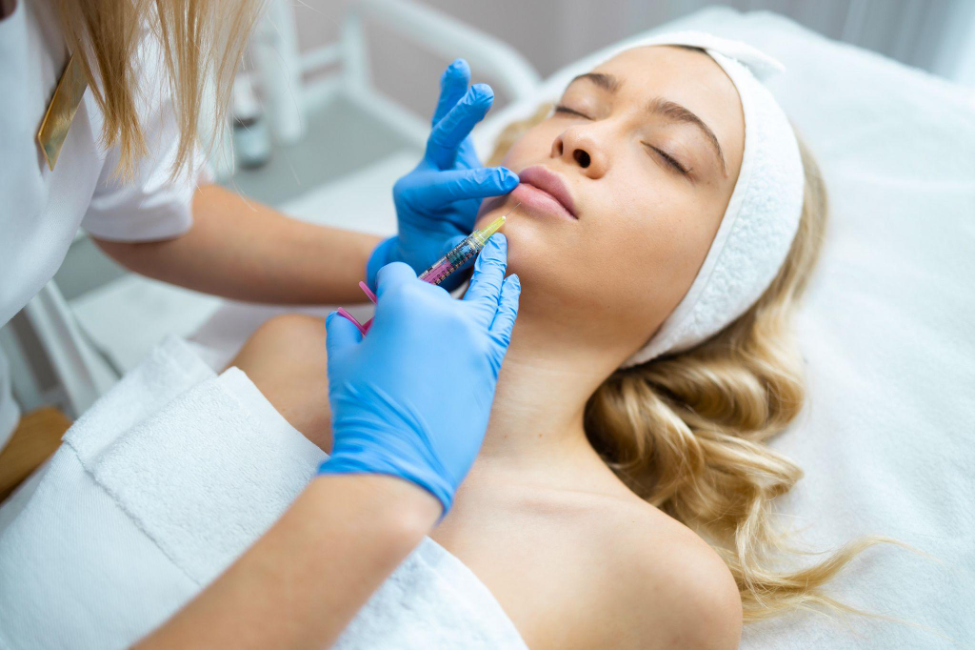
Plastic surgery begins with a consultation where you and your surgeon discuss your aesthetic goals, anatomy, and suitable treatment options. Your surgeon evaluates the area and discusses which procedures are appropriate. Anatomical features vary among patients, so procedure selection depends on individual goals and medical history. Here is how plastic surgery progresses from treatment planning through recovery:
Explore Your Treatment Options
A consultation provides an opportunity to explain your aesthetic goals and identify the areas you want addressed. Your surgeon examines the relevant anatomy and evaluates whether the proposed procedure is appropriate for the treatment area. Before-and-after photographs provide visual examples to support the discussion. Because procedures address different anatomical areas and concerns, your surgeon discusses the treatment options that correspond to your goals. Surgical and nonsurgical approaches differ in how they address aesthetic concerns, so the consultation focuses on the approach relevant to the area and outcome under discussion.
Review Your Treatment Plan
Treatment planning is based on your anatomy, preferences, and the areas being treated rather than a standard approach. When related aesthetic concerns involve multiple areas, complementary procedures may be included in a single treatment plan. Your stated goals remain part of the discussion as your surgeon develops the planned approach. If multiple procedures are included, your surgeon discusses how they relate to the overall treatment plan.
Understanding the planned procedure provides a clearer picture of what to expect before and during treatment, including the type of anesthesia, surgical approach, and treatment setting. Anesthesia is selected based on the procedure, while incision placement and size depend on the area being treated. Preparation and surgical techniques also differ according to the procedure and anatomical site:
- Eyelid surgery addresses the tissues around the eyelids
- Rhinoplasty addresses the nose
- Body procedures address larger anatomical areas
The duration and setting of a procedure depend on the type of surgery, the areas being treated, and the planned treatment setting. Discussing these details before treatment provides an opportunity to understand the procedure and the technique selected for the area being treated. For combined procedures, the surgeon explains how the individual techniques relate to the treatment sequence.
Understand the Recovery Process
Postoperative appointments give your surgeon an opportunity to evaluate healing and assess your progress. The timing and frequency of follow-up visits depend on the procedure, so postoperative monitoring differs according to the treatment performed. During these visits, your surgeon examines the treated area, documents relevant findings, and uses that information to determine whether any changes to your care are appropriate. Recovery discussions extend beyond the first appointment after plastic surgery. Your surgeon also reviews changes that require monitoring and symptoms that warrant earlier contact with the care team. Breast surgery follow-up focuses on incision healing, swelling, breast position, and changes in symmetry as healing progresses. After eyelid surgery, follow-up focuses on the incisions and eyelid position.
Examine Your Results
Surgical results continue to change after the initial recovery period as swelling subsides and healing tissues settle. Breast surgery results change as swelling decreases and the breasts settle into their developing position, while eyelid surgery results become clearer as swelling around the eyes resolves. After rhinoplasty, residual swelling, particularly around the nasal tip, can affect the appearance of the nose during the later stages of recovery.
These changes help explain why the appearance of a treated area differs at various points in recovery. Your surgeon evaluates the changes specific to the procedure, including the position and contour of treated tissues, incision appearance, and residual swelling. Follow-up photographs also provide a visual record for comparing these changes over time. Subsequent visits provide an opportunity to assess how the treated area is progressing and address questions about the developing result. Your plastic surgeon will talk with you about the changes you notice and what they mean as your recovery continues.
Plan Your Next Plastic Surgery Appointment
Your treatment plan establishes the approach for surgery, while follow-up visits track changes as your body heals. As recovery progresses, your surgeon evaluates the treated areas and addresses concerns based on your healing and the procedure performed. Later visits also provide an opportunity to discuss how your results are developing and whether further care is appropriate. Talk with a surgeon about your recovery, results, and next steps.
- Understanding the Plastic Surgery Experience From Consultation to Recovery
- The Benefits of RIA Compliance Services for Investment Advisors
- Utilizing Portable Classrooms for STEM Education
- GrammarVista vs Grammarly: Which One Helps Your Writing More?
- GrammarVista.com Review: Grammar Guides for Learning American English